01
Oilfield transformer selection
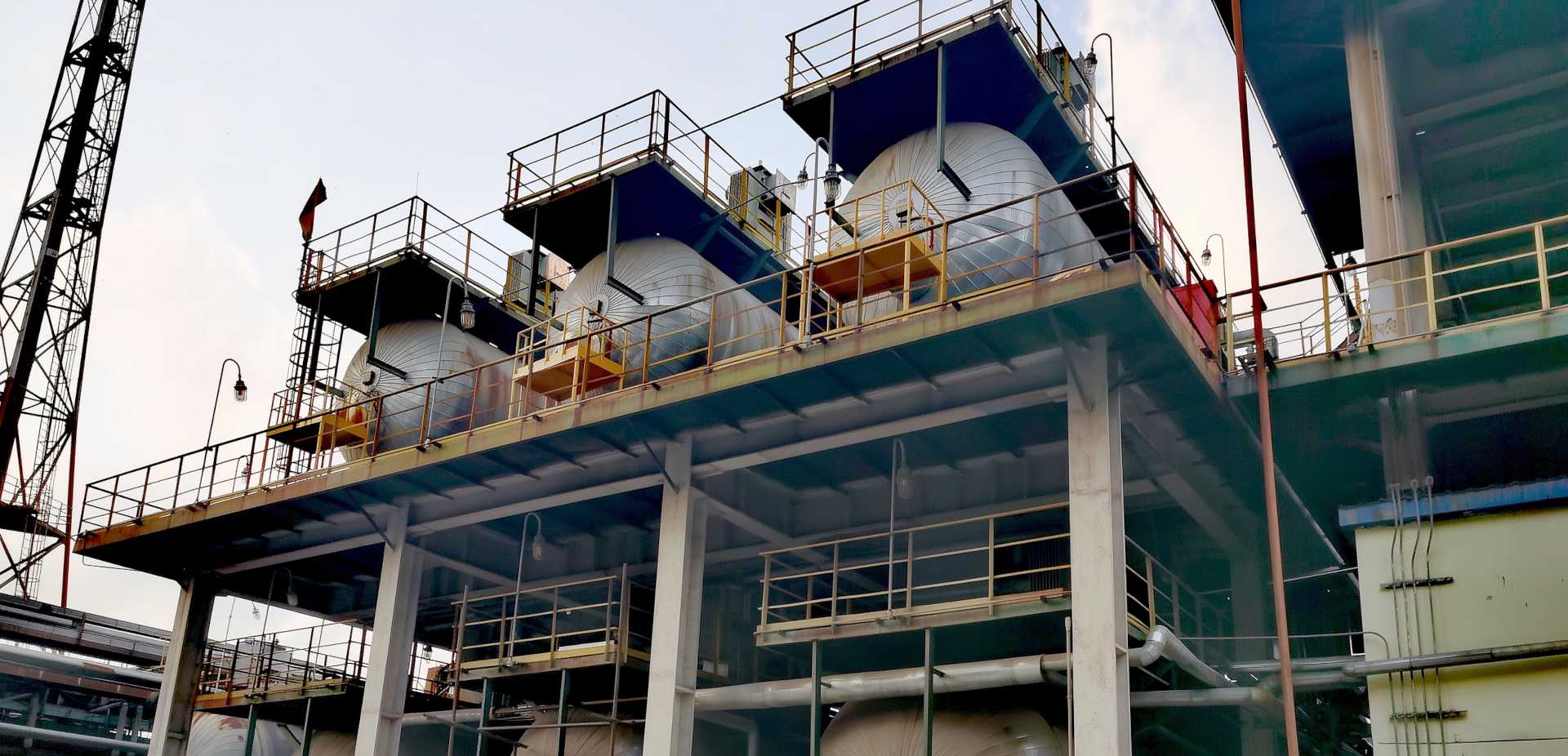
For oil production, gathering stations and ESP systems, selection begins with the motor load, drive output, cable voltage drop, duty cycle and field environment.
SHENYANG TEDA TRANSFORMER FACTORY / ENGINEERING
Start with the actual application, load, system voltage, operating environment and interfaces. Shenyang Teda Transformer Factory turns project data into a practical transformer specification for new, replacement and retrofit projects.
A transformer used in an oilfield drive, refinery process unit or plant distribution system may share a voltage class yet require a different electrical and mechanical design.
For oil production, gathering stations and ESP systems, selection begins with the motor load, drive output, cable voltage drop, duty cycle and field environment.
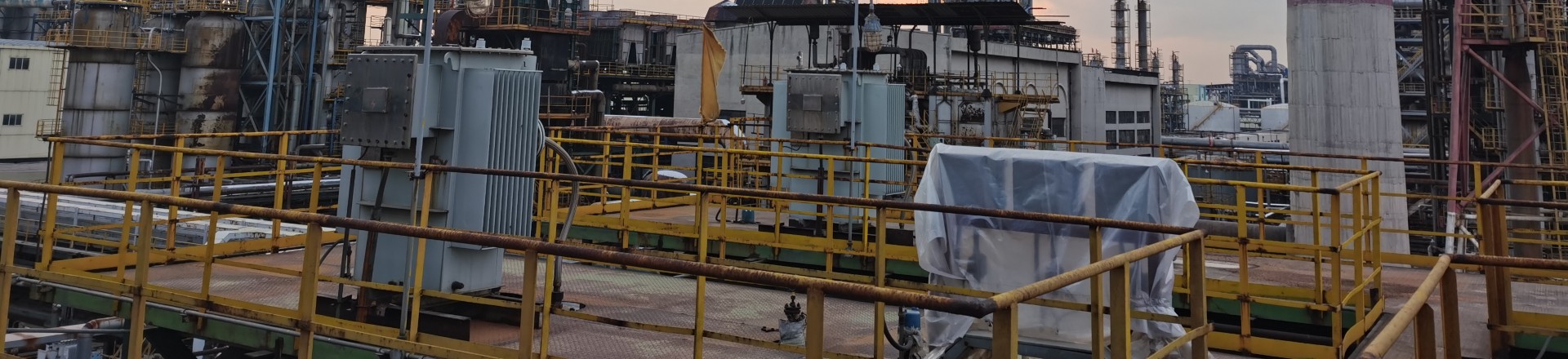
For crude-oil desalting and dehydration, the high-voltage power unit is coordinated with the process vessel, electrostatic field, regulation method and plant control interfaces.
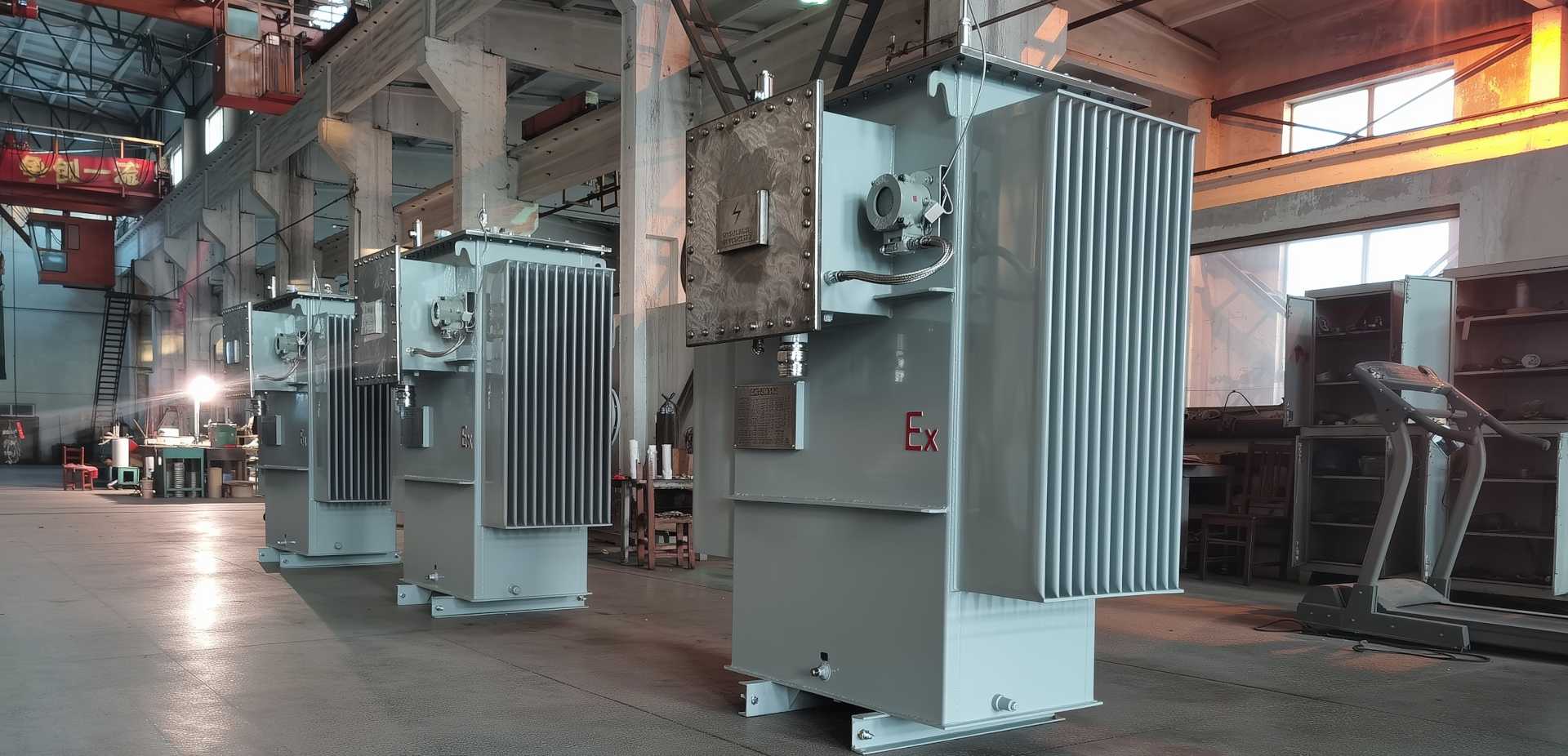
For plant distribution and dedicated industrial loads, we review system voltage, load behaviour, cooling, protection and installation constraints as one engineering task.
The project stage changes which documents matter most and how the transformer specification should be verified.
Start from the application, load list, system voltage and site conditions to establish the transformer specification and supply boundary.
Use the existing nameplate, drawings, mounting footprint and terminal arrangement to review a compatible drop-in replacement.
Recheck ratings, controls and interfaces when capacity, process duty, connected loads or the plant control philosophy changes.
Rated power and voltage are the starting point. Load behaviour, interfaces and site constraints determine whether the proposed transformer will fit the complete system.
Process equipment, operating cycle, expected loading and redundancy requirements.
Rated power, continuous or cyclic load, overload duty, harmonics and starting conditions.
Primary and secondary voltage, frequency, grid variation, taps and regulation range.
VFD output, control cabinet, protection, interlocks, monitoring and remote signals.
Ambient temperature, altitude, humidity, salt mist, dust and hazardous-area classification.
Footprint, terminal direction, cooling, cable routing, transport limits and delivery scope.
The table is an orientation aid, not a substitute for project review. Final ratings and construction follow the confirmed technical inputs.
View product rangeElectrostatic process duty, AC or DC high-voltage output, regulation and vessel interface.
Motor voltage, VFD waveform, cable length, voltage drop and artificial-lift duty.
System voltage, load profile, loss targets, cooling, protection and installation interfaces.
Platform distribution, VFD loads, harmonics, thermal duty, marine conditions and installation limits.
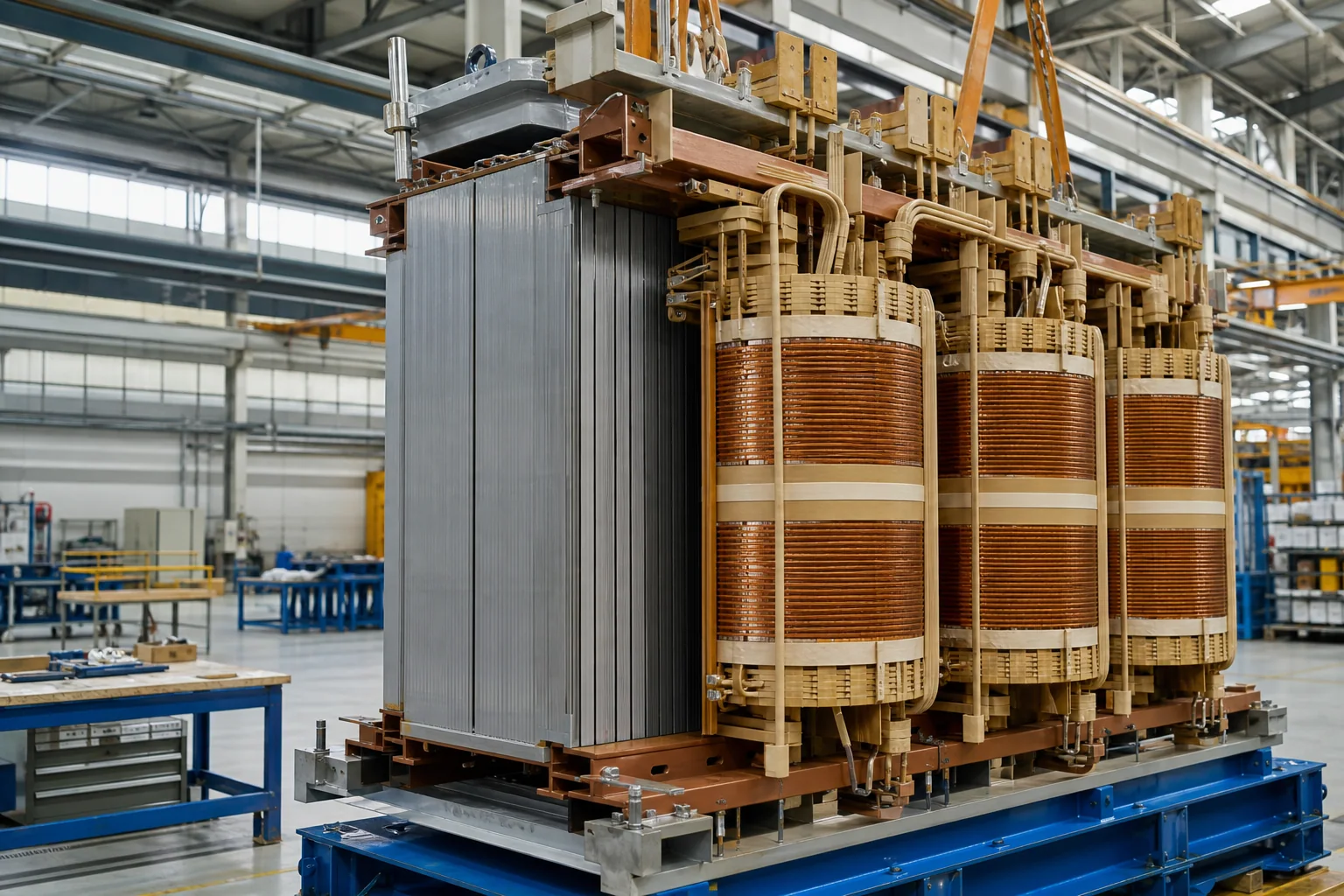
A complete datasheet is helpful but not required. Send any available engineering documents and Shenyang Teda Transformer Factory will identify the missing inputs for the next technical review.
Application, rated power, primary and secondary voltage, load profile, operating environment and system interfaces form the basic selection input. The exact list depends on the transformer duty.
Begin with the existing nameplate and drawings, then verify the actual load, footprint, terminals, cooling, protection and any operating problems before freezing the replacement specification.
Yes. A single-line diagram, nameplate, load data or site photographs are enough to begin. Missing technical inputs can be identified during the engineering review.
Send a nameplate, single-line diagram, project specification or site photographs. Incomplete information is acceptable.